










How to clean your makeup brushes?
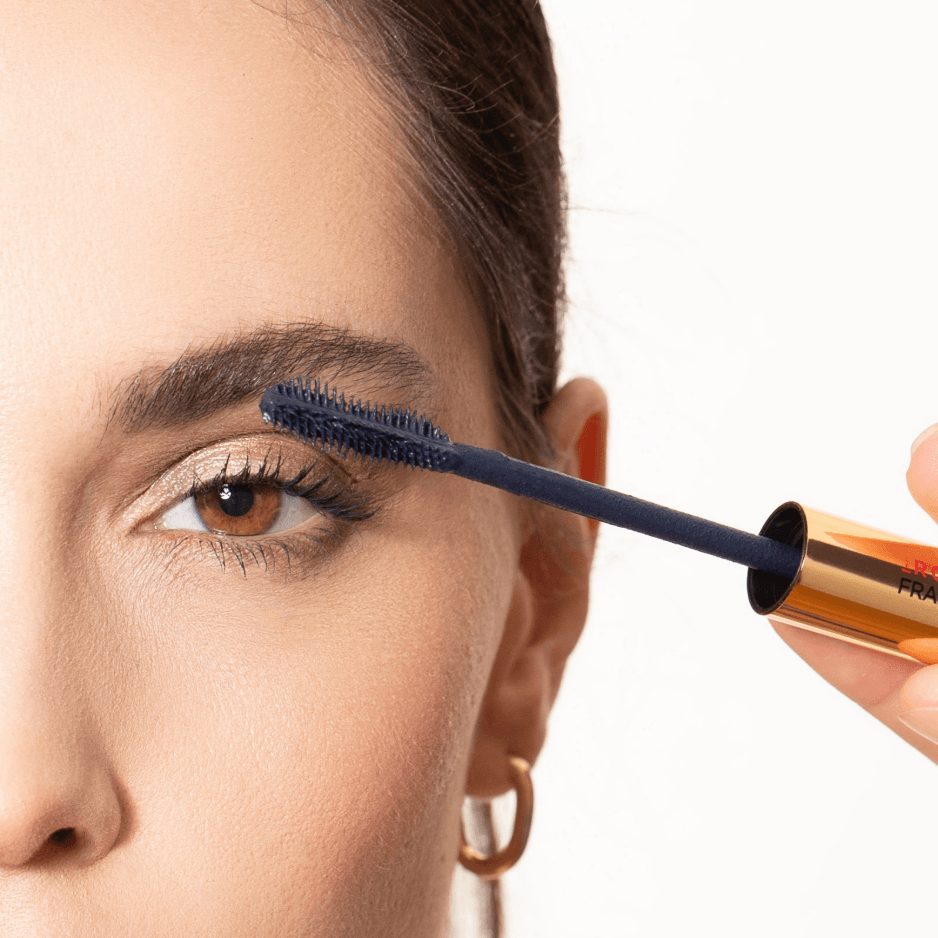
How to clean your makeup brushes? Successful makeup requires a bit of skill, quality products suitable for your skin type, and also good brushes specific to each part of the face. And these brushes must be clean! Applying makeup with well-maintained brushes helps take care of your skin. It's not because you use plant-based, vegan, and organic makeup like Le Rouge Français cosmetics that you shouldn't regularly clean your brushes. Brushes retain dust, bacteria, germs, and other dirt that will be directly deposited on your skin along with your makeup. Why clean brushes? How to clean them? How often? With what products? Here are the tips to keep your makeup brushes clean and lasting as long as possible. Why should you wash your makeup brushes? By using the right brushes for makeup, you save time and make makeup application easier and longer-lasting. Brushes are practical and allow for precise results. But to remain effective, these brushes must be maintained correctly and regularly. Their hygiene is essential, but we very often forget to clean these indispensable accessories. When they are poorly or inadequately cleaned, makeup brushes become true breeding grounds for bacteria. Brushes can be used for lips, complexion, eyes, or mouth. To remain effective, they need to be cleaned very regularly. While we easily take care of our skin, it is less common to take care of these accessories. However, poorly maintained brushes will quickly become unusable. Used daily, makeup brushes accumulate germs, dust, bacteria, dead skin... The humid and warm environment of the bathroom encourages the development of these bacteria. By placing brush bristles on the face, bacteria are deposited on the skin along with the makeup. The result: suffocated skin, the appearance of pimples, blackheads, and acne. Dirty brushes do not allow for proper makeup application. They wear out much faster. They contribute to irritating the fragile skin of the face. By regularly cleaning makeup brushes, you take care of your skin, your makeup, and the brush bristles remain soft and supple. If you often change makeup shades, whether for the complexion, eyes, or lips, it is essential to clean the brushes after each use. This prevents different colors from accumulating in the bristles and altering the new shade used. When should makeup brushes be cleaned? Depending on their use, brushes should be cleaned more or less often. As a general rule, for daily use, makeup brushes should be washed at least once a week. Foundation, blush, or concealer brushes should be washed once or twice a week. Eye makeup brushes should be cleaned after each use. This is essential to avoid mixing colors. If you always use the same eyeshadow shade, eye brushes can be cleaned at the same time as those used for the complexion. However, the eyes are a sensitive area, and brush hygiene must be impeccable. The recommendation is the same for lip brushes. It all depends on whether you often change your lipstick. Cleaning after each use is strongly advised. This will allow you to switch from Le Rouge Français lipstick to other shades without investing in multiple lip brushes. As for mascara wands, they should not be forgotten. What products to use to clean makeup brushes naturally? You don't need to look far to properly clean your makeup brushes. All you need is lukewarm water, Marseille soap or an organic shampoo, and a terry towel. Simply wet the brush under lukewarm water, rub it over the soap back and forth in the direction of the bristles, and scrub it in the palm of your hand or on a washcloth. Then rinse with clean, lukewarm water. Marseille soap has the advantage of being gentle on the skin (and brush bristles) and contributing to environmental respect. It is a natural, ecological, and very economical product. You can also use Aleppo soap, or a mild silicone-free organic shampoo. Oil is perfect for the oiliest cosmetics. It allows you to dilute fatty substances before cleaning. This can be organic olive oil, jojoba oil, coconut oil... Always prioritize organic products. There are products dedicated to brush cleaning. But they are not always natural and environmentally friendly. You can invest in special brush shampoo. It breaks down makeup while disinfecting the bristles. The latter are softened and clean. Brush cleaner can be useful for disinfecting brushes daily. It helps to dislodge bacteria and germs present in the bristles. Brush sprays allow for quick cleaning. Simply spray the product on the bristles, gently rub them with a microfiber cloth, and let them dry for a few minutes before using them again. This can be a good solution between two thorough cleanings. How to clean makeup brushes properly? Whether natural hair or synthetic brushes, the cleaning technique remains identical. For natural hair, simply be more delicate in handling. If the brush handle is made of wood, avoid wetting it as much as possible. To preserve the wood, you can glue a piece of adhesive tape after the bristles. Brushes can be cleaned differently depending on their use. Cleaning brushes for powder cosmetics This concerns brushes used to apply blush, foundation, eyeshadow... Start by wetting the brush with lukewarm water. After a first rinse, apply mild soap to lather it by rubbing in the direction of the bristles. It is possible to make circular motions in a bowl filled with lukewarm water or to rub in the palm of your hand. Rinse thoroughly with lukewarm water and repeat the operation until the water is clear. Cleaning brushes used for liquid cosmetics or lipstick To clean brushes used for liquid cosmetics such as foundation or concealer, the technique is the same as before. However, as the products are often oilier, after the first rinse, apply a few drops of organic olive oil or any other vegetable oil. This helps to dilute accumulated fatty substances before proceeding with soap cleaning. This is also a good technique for softening the brush bristles. Once a week or every two weeks, you can finish cleaning by dipping the brush bristles in a little white vinegar before rinsing thoroughly with lukewarm water. This eliminates bacteria that may have resisted soap cleaning. Rinsing is essential, even when using only Marseille soap. Indeed, if soap remains in the bristles, the brush may stick, and the result will not be perfect. Cleaning the mascara wand The mascara wand should be cleaned as soon as you have a "clumpy" effect on your eyelashes. You should get into the habit of removing the clumps that accumulate on the wand with a tissue. For a deeper clean, soak the wand for about fifteen minutes in lukewarm water. Gently clean with Marseille soap, rinse thoroughly, and dry with a tissue before putting it back in the tube. How to dry makeup brushes? When the brushes are perfectly clean and rinsed, start by gently wringing out the bristles by pressing them between your fingers. Be especially careful not to pull out the bristles. Then, lay them flat on a clean terry towel. Avoid proximity to heat sources, as this risks hardening the bristles. Synthetic bristles dry faster than natural bristles. If you are in a hurry, you can dry the brushes with a hairdryer. This technique should be used as rarely as possible and only with very gentle heat. If the airflow is too hot, the bristles may be damaged. Do not dry brushes vertically, whether head up or down. They could lose their shape and become unusable. However, there are drying racks. These racks allow you to hang the brushes all around the support with the head down. Accessories that facilitate cleaning There are various accessories that facilitate the cleaning of makeup brushes. They are not indispensable, but they allow for great efficiency and save time. The cleaning mat or glove is made of silicone. The surface is covered with nubs that help to dislodge dirt. The silicone mat to place on the bottom of the sink has two different textures. One side is perfect for cleaning complexion brushes and the other side is dedicated to eye brushes. The cleaning sponge is made of a solid anti-microbial foam against which you simply rub the brush without wetting it. This solid foam catches cosmetic pigments. This allows the brush to be reused immediately after cleaning with a different shade. The brush remains dry and can be cleaned as many times as necessary. The foam of the sponge should be changed regularly. For those who really don't have much time, there are automatic brush cleaners. The system quickly rotates the brush in a jar to remove all impurities. These automatic cleaners can also dry brushes. It only takes 25 seconds to wash and dry brushes thanks to an electric rotary device (the device usually works with batteries) with a clamping accessory. When should makeup brushes be replaced? A brush should be replaced on average after one year of use. Very good quality, well-maintained brushes can be used much longer. The lifespan of a makeup brush depends on its quality, frequency of use, and the care taken in its maintenance. As soon as the brush bristles start to fall out, as soon as they are less flexible, it's time to change brushes. If the bristles are less dense, if they no longer have their original shape, it's time to invest in new brushes. To remember... Makeup brushes should be washed at least once a week. Those used for eye or lip makeup should be cleaned after each use. The simplest, most economical, and most ecological technique is to use lukewarm water and Marseille soap. Specific products can save time between thorough cleanings. By regularly cleaning makeup brushes with natural products, you increase their lifespan and, above all, you take care of your skin.
Read more

A lipstick can be vibrant, glossy, bright, we may like it, but it might not suit our skin tone. We might want to add color to our lips without knowing which is the best choice. It is important to d...

To take care of your face, there are three essential steps: cleansing, moisturizing, and exfoliating. These beauty rituals should be complemented by a good diet and a healthy lifestyle. A few easy-...