


Makeup Across the World: A History of Civilization
Makeup Around the World: A History of Civilization
How was makeup applied in antiquity? Are there still traces of these practices in our beauty routines today? Do women worldwide have the same perception of makeup? Do they use the same products as we do?
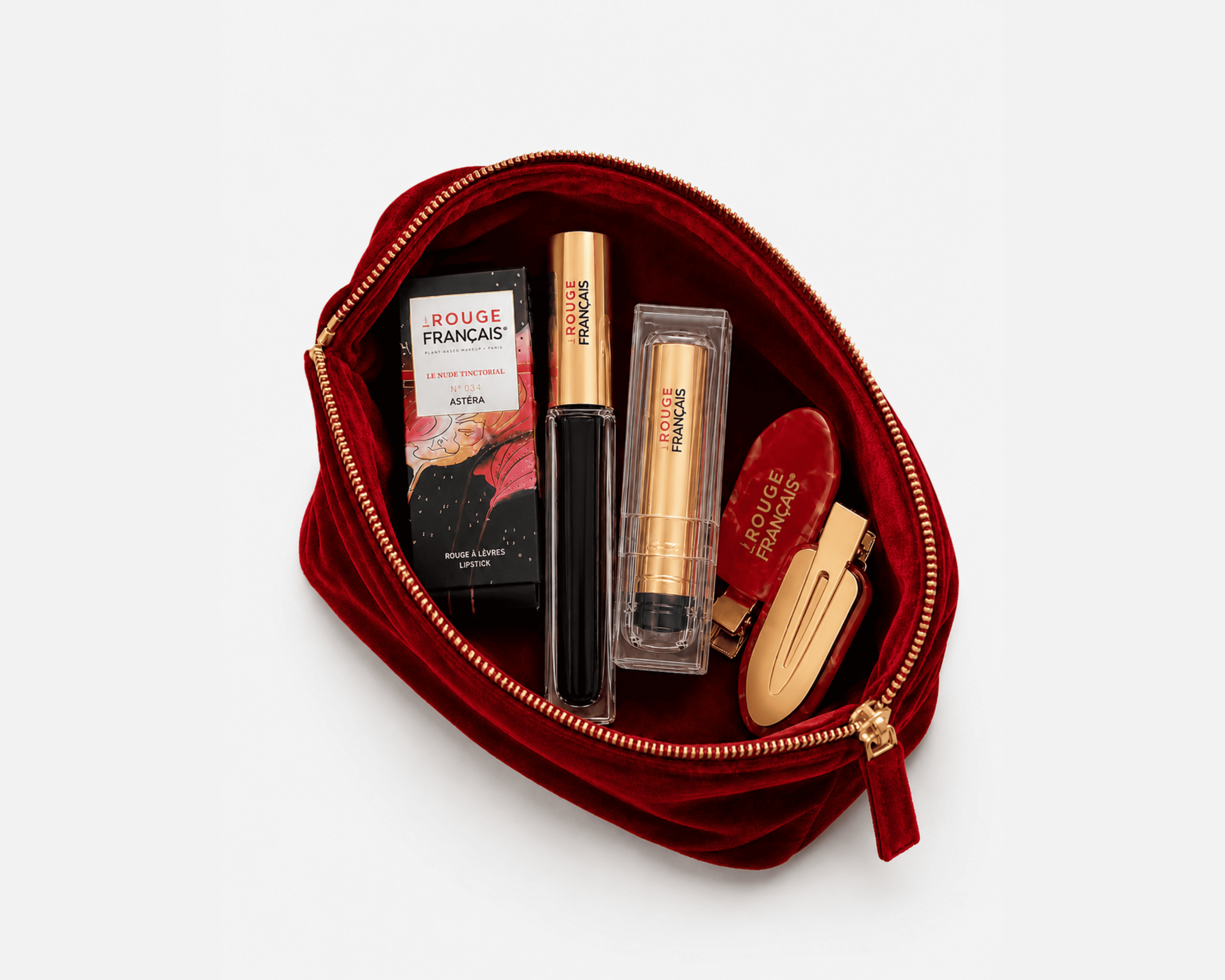
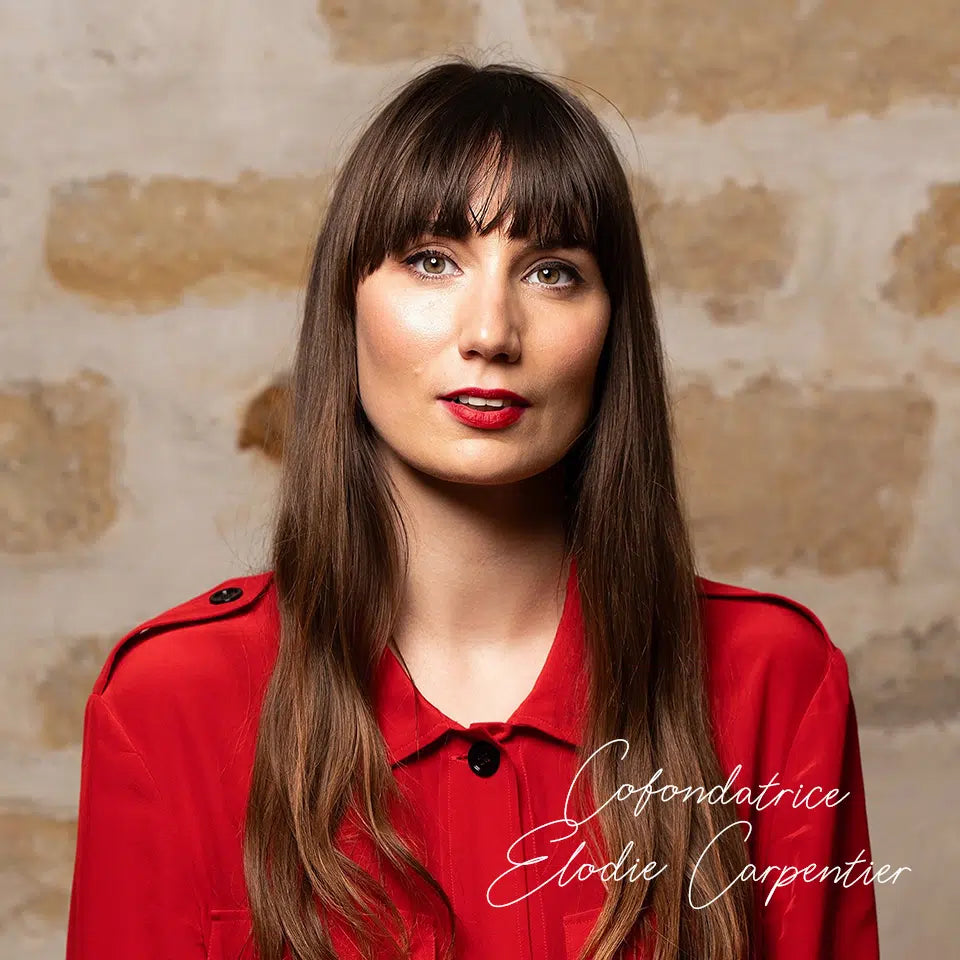
Like Élodie Carpentier, co-founder of the Le Rouge Français brand and passionate about biotechnology and art history, we seek to answer all these questions. Let's also see how it's possible to draw inspiration from cultures worldwide to create cosmetics that align with contemporary aspirations and ecological and social concerns.
Gestures and Symbolism Vary by Culture
Does applying makeup always mean beautifying oneself? If ingredients differ depending on the location, what about the ways of coloring the body or face? Were there civilizations where women did not use makeup?
Practices of Ancient Egyptians, Greeks, and Romans
The most well-known ancient makeup techniques are those of the Egyptians, notably thanks to popular descriptions and images of Queen Cleopatra that circulated for centuries. What is less known is that men also wore makeup, as it was both a way to protect themselves from the elements, to show their belonging to a social class, and to display symbols.
Archaeologists have found statues and paintings illustrating the gestures performed by Egyptians as well as made-up faces. Furthermore, they have exhumed from tombs vessels that still contained cosmetic products: vials with powders, perfumes or ointments, compartmentalized boxes to store them, etc.
The shades of the powders, in powder or paste form, were mainly white, grey, black, or green. They were applied as a line that elongated the eye outwards and inwards. However, there were variable shapes and different thicknesses depending on the dynasties. The colors of the makeup, meanwhile, were linked to religious beliefs: green was associated with Horus and black with Ra. In addition, Egyptians also sought therapeutic means to protect their eyes and recited prayers when preparing makeup. In mythology, Seth injures Horus' eye, and he heals himself with shiny makeup.
Women also enhanced their cheeks and lips with red ocher, which contrasted with the whiteness of the complexion obtained with alabaster and donkey milk. Hands and nails, meanwhile, were colored with henna.
Subsequently, the Greeks and Romans relegated makeup to a secondary role. It became the attribute of prostitutes who adorned their cheekbones, eyes, skin, and lips with all sorts of minerals, plants, and animal substances such as white lead, fruits, saffron, or ash. The skin had to be white, the lips red, and the eyes black.
The Expertise of Asian, Pre-Columbian, and African Civilizations
Other civilizations in Asia, America, and Africa used and, of course, still use makeup with diverse techniques and symbolisms.
In the history of Japan, we know the refinement of geisha makeup. The face and neck are entirely colored, formerly with white lead containing lead, today with rice powder. Before modern lipsticks, women applied red made from crushed cochineal or a plant called beni-bana to their eyes, lips, and cheeks. Then came the eyebrows and eye contour using charcoal sticks or kohl.
In China, health is considered synonymous with beauty. The body must be in harmony between inside and outside: nourishing the skin and beautifying it are one and the same. Foundations and powders therefore protect the skin while masking imperfections. Chinese women also enhance their complexion and lips with red on their cheeks as a sign of good health and proper vital energy circulation. Traditionally, lipstick was made with vermilion, fat, and perfumes, and foundation with white lead or gel from a mushroom that lightens the skin.
To highlight their eyes, they use eyeliner, eyeshadows, and mascara to achieve an electric gaze, seduce, and give an impression of dynamism. Finally, in ancient China, high-ranking women painted or glued ornaments on their foreheads, with feathers, bones, gold leaf, etc.
Regarding indigenous peoples of America and Africa, it would be more accurate to speak of body paint than makeup. The Mayan blue, for example, is very characteristic. Composed of indigo, several other plants, and clay, it was used to color victims during sacrifices.
In certain African ethnic groups, face makeup is a language in itself. It allows one to identify the group, social class, and age group to which the subject belongs. This is the case, for example, among the Nuba in Sudan.
Inexhaustible Sources of Inspiration
As we can see, the different civilizations that inhabit and have inhabited the earth have developed incredibly rich practices for appearance, symbolism, and showing belonging. Élodie Carpentier, co-founder of Le Rouge Français, draws inspiration from this heritage when creating her products.
A Thousand and One Plant Pigments
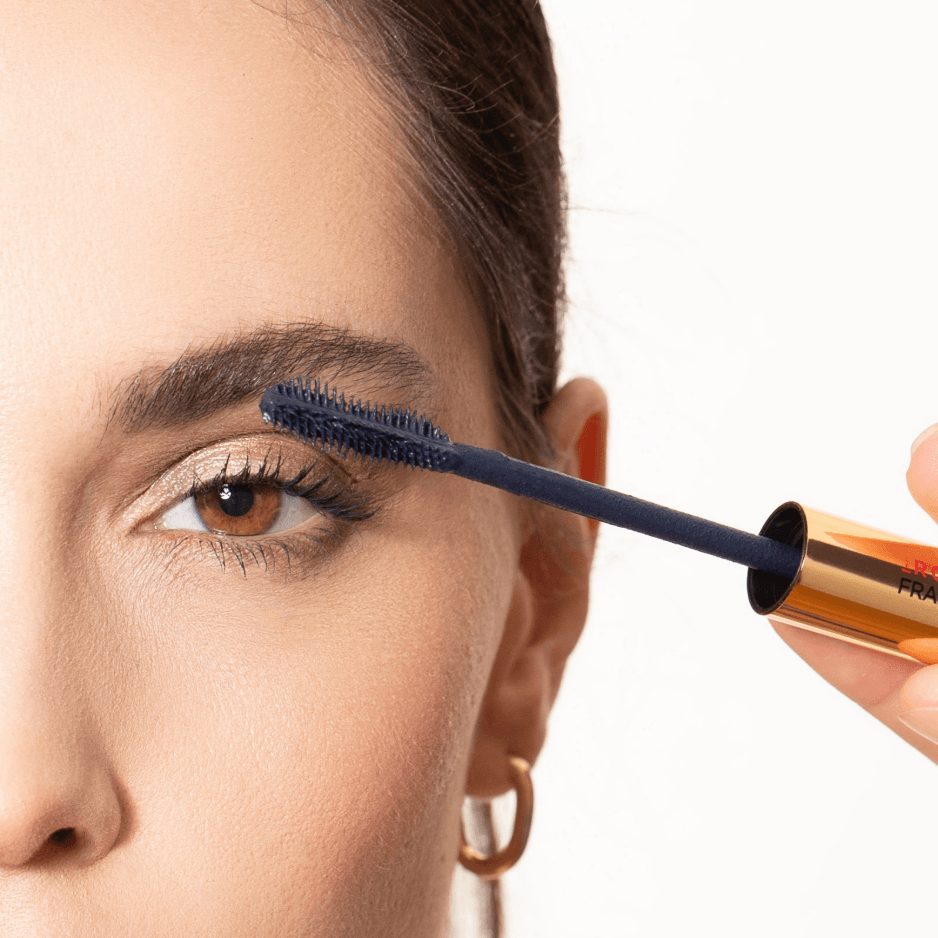
To begin, the pigments themselves have an inspiring history, and it is interesting to rediscover their beauty and benefits. Let's first mention indigo, which we discussed with "Mayan blue," but which has also conquered the entire planet. It is both a shrub called indigotier, dyer's indigo, or Indian indigo, and a blue-violet color obtained from the same plant. This also produces a whole range of lighter or darker shades. African women, in particular, colored their hair and body a deep black with it. This is why Le Rouge Français uses it extensively, especially in its Indigo Céleste range. Designed for the eyes, this range offers mascara, eyeliner, and a kohl pencil.
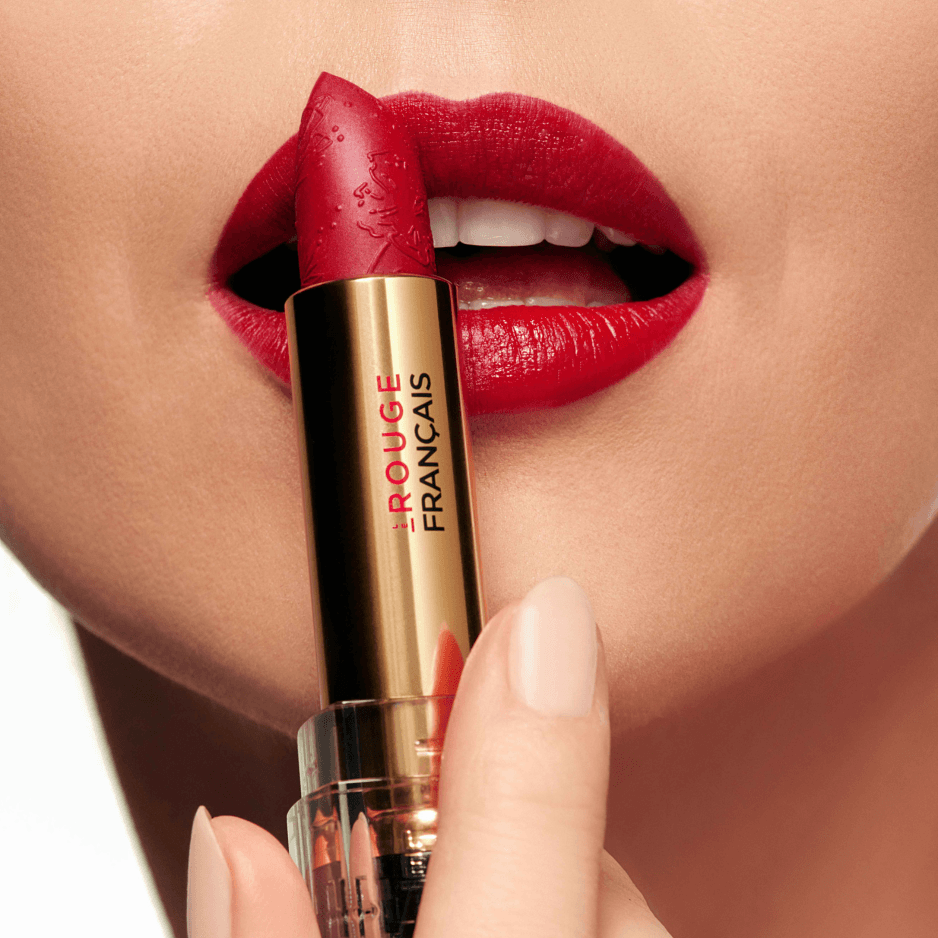
Let's now travel to South America and the Caribbean. Imagine a plant used to paint bodies, flavor dishes, heal in traditional medicine, protect from the sun, ward off insect bites, and which is an ingredient in a chocolate drink. Such a marvel truly exists! Annatto, or annatto tree, a tropical shrub, achieves all these feats. It is therefore not surprising that Le Rouge Français incorporates it into one of its lipstick collections called Rouge Tinctorial.
A Mythical Imagination and Ancestral Beauty Techniques
Beyond the physical aspect of customs worldwide, the startup also aims to convey an imaginary through its beauty products. Because applying makeup is both following in the footsteps of our ancestors and discovering ourselves by reinventing ourselves.
Let's invoke two sources of fascination that blend history and mythology: Greece and Egypt. The former inspired the naming of products in Le Rouge Français' Indigo Céleste range, notably through the story of Andromeda.
Thus we find the name of her mother Cassiopeia, who declared that her daughter was more beautiful than the Nereids. This drove the nymphs mad with rage. They asked Poseidon to avenge them, and he sent a sea monster to unleash violent storms. Her father, Cepheus, whose name is used for the collection's black eyeliner, consulted the oracles and chained his daughter to a rock to sacrifice her as prey to the monster.
Perseus, who inspired the purple eyeliner, then arrived to kill the monster and married Andromeda. Regarding Egyptian civilization, two figures shone with their legendary beauty: Nefertiti and Cleopatra. The name of the first actually means "the beautiful one has come." The second is also known for her affairs with Julius Caesar and Mark Antony, and then for her tragic end. Both were careful to preserve their youth through numerous treatments such as shea butter, aloe vera, vegetable oil, aromatic herbs, etc. The products in the Rouge To Go range were named in their honor.
Creating Contemporary Makeup for All Women
While Élodie Carpentier draws inspiration from different civilizations around the world, she adds a touch of modernity to cosmetics to make them correspond to the demands and needs of today's consumers, as well as contemporary issues.
Technology at the Service of Consumers
Major brands have shaped the world of cosmetics since the beginning of the 20th century. Numerous innovations emerge year after year. Consequently, consumers have become accustomed to the multitude of colors and appearances, as well as the perfect hold and application effectiveness of lipsticks, eyeshadows, and mascaras.
It is therefore not about denying all advances and innovations, but about using them to obtain products that meet users' expectations. This is why Élodie Carpentier has put all her biotechnological knowledge at the service of her objective: to offer makeup with exceptional hold, texture, and color. Her technique has also been patented and awarded at the Cosm'Éthique competition by Cosmebio.
A Response to the Environmental Challenges of Cosmetics
But technologies are tools that should not cause harm. The environmental stakes are too high to continue operating as most companies do today. Consequently, Le Rouge Français products are organic and certified Cosmos Organic by Ecocert and Cosmebio. This is the highest level of Cosmos certification: 95% of the ingredients are of natural and organic origin when possible.
Moreover, the brand has adopted a model that helps restore environmental balance: regenerative economics. This means that it draws inspiration from living things to promote diversity. Thus:
- it partners with the NGO Yagasu to replant mangroves in Sumatra
- plants are grown in France or are endemic to reduce pollution related to transport and treatments against insects or diseases
- it produces fully recyclable packaging with bio-sourced and refillable lipstick tubes, pure glass bottles, and cardboard from sustainably managed forests.
Products that Respect All Inhabitants of the Planet
This protection of nature naturally involves respect for humans and animals.
All substances in Le Rouge Français' cosmetic products are healthy and designed as if they were to be ingested, which is involuntarily true for lipsticks. Besides pigments, the other ingredients necessary for the texture, appearance, and preservation of makeup are exclusively plant-based. This is the case for butters, oils, and waxes from shea, rice, candelilla, carnauba, jojoba, apricot, etc., hydrolates from chamomile or castor oil, and fruit acids.
Furthermore, the cosmetic house is labeled vegan and cruelty-free. In other words, there are no traces of animal products or those resulting from their exploitation, and no tests have been carried out on them, neither on the finished product nor on each ingredient separately. This is indeed not the case for the majority of makeup encountered. The reasons lie in the lower price of animal raw materials and the luxurious image that certain substances convey, such as those from the hive or donkey milk.
The primary problem with the use of animal products, of course, remains animal welfare and respect for their lives, but also the preservation of ecosystems. Because animal exploitation often means intensive farming, endangering species close to extinction, overfishing, etc. Furthermore, even if a European law prohibits animal testing, it is only valid for finished products. Some ingredients can therefore come from countries where the practice is permitted. Le Rouge Français skillfully replaces beeswax with vegetable waxes, as well as squalane and milk with oils.
The company thus manages to draw from the incredible cultural heritage of different civilizations and combine luxury and clean beauty for products that meet the current demands of women worldwide.
Read more

Scientific research into the ingredients in our beauty products is growing, and all studies conclude on the presence of heavy metals, synthetic materials, petrochemical derivatives, and products fr...

A lipstick's lifespan is not eternal. Most often, to find out how long a lipstick can be kept, simply check what is indicated on the packaging.