




Bio-based and recyclable packaging
Certified Recyclability.
Recyclability of our packaging: Noble materials respectful of the environment
55,000 tons of plastic per year
More than flourishing, the cosmetics industry is present all over the world. Its environmental impact is, logically, very significant, as it generates an immense production of plastic. Most everyday cosmetic products are made with components derived from plastic - such as silicone, for example - and are sold in packaging also made of plastic.
This characteristic of the cosmetics world is even found within so-called "cathedral" brands, which, despite their image of luxury and refinement, offer products made and wrapped in plastic. This situation is sharply criticized and leads the entire sector to rethink its manufacturing and marketing methods.
This criticism has particularly pushed some consumers to become more vigilant about the composition of the products they buy. This lack of confidence in makeup manufacturers is not without consequences for the general health of the sector. The concept of Clean Beauty, which appears as a response to the growing distrust on the part of consumers, is an opportunity for players in this exciting market. Le Rouge Français, with its expertise and mastery of materials, fits perfectly into this movement. However, our commitment goes further: eager to offer our customers healthy products, we strive to develop them with providers who themselves respect these requirements.
Truly vegan, organic, and natural makeup must also be designed in a work environment that respects people. Our certifications and labels guarantee this equally essential aspect.
As part of an ecological awareness movement, our ranges of organic and vegan makeup do not contain any plastic components, whether in the composition of the products or in their packaging. We take care to offer our customers entirely vegan, organic, and natural makeup.
"Petroleum-sourced components represent 44% of the weight of packaging currently available on the market." ADEME
The environmental impact of plastic from the cosmetics industry
In the cosmetics industry, plastic materials are indeed incorporated into formulas by manufacturers. This practice offers several advantages: a clear economic advantage, as these materials are cheaper and provide greater sensoriality.
By sensoriality, we mean here the sensations of "soft skin" or smooth skin that are actively sought when purchasing a product. In addition to microplastics, there are "plastic materials," which are generally in liquid form. The most well-known example is silicone. These are regularly used in face and hygiene products, as well as in hair care and makeup.
In a balm or even a lipstick, the addition of this type of ingredient brings texture to the product and numerous sensory benefits: velvety touch, non-greasy effect, easy spreading. Another advantage regularly highlighted by industry manufacturers is efficiency in terms of hydration.
By covering the skin or hair with a layer of plastic, these plastic materials slow down dehydration. However, the reality is that these products are rinsed off and discharged into sewers, then into the oceans. Although tiny, they actively contribute to the pollution of our oceans and our environment in a sustainable and irreversible way.
A visible and invisible impact on the oceans
Every year, between 4.8 and 12.7 million tons of plastic are dumped into the oceans. According to an analysis by the Ellen MacArthur Foundation, oceans could contain more plastic than fish by 2050. This alarming estimate has serious consequences for marine and terrestrial biodiversity. Plastics do not exclusively contaminate coastlines.
Indeed, they disturb all marine fauna and flora. The repercussions on marine life are the most visible: animals get caught in larger debris, such as nets, and mistake small pieces of plastic for food, which can lead to illness or even death. Humans, unfortunately, also ingest this plastic, which inevitably ends up in the food chain.
Furthermore, marine waste generates significant economic losses for sectors that depend on the sea: only 5% of the value of plastic containers remains in the economy. The rest ends up in nature, confirming the need for a more circular approach.
It should be noted that this ocean pollution is unfortunately irreversible. It is almost impossible to clean the oceans by recovering this plastic waste. Once these plastics are distributed in the oceans, they degrade regularly, thereby increasing the concentration of micro and nano plastics. The irreversible aspect of this plastic contamination of the oceans is expected to double by 2050 and increase by 50 times by 2100.
Refined and refillable packaging
The most obvious answer would be to say that we need to reduce consumption in general. While this is indeed the most logical solution, as we have seen during the last two years of the global pandemic, overconsumption has taken on a whole new dimension. Le Rouge Français has decided to turn to more environmentally friendly materials for both composition and packaging.
Bio-based materials are a real boon for promoting high-quality recycling. We are talking here about qualitative recycling because recycling plastic, for example, has disadvantages in terms of greenhouse gas emissions. Glass recycling, which is much cleaner, is part of a virtuous cycle with less impact on the environment. Furthermore, it is important to highlight products whose composition is itself bio-based.
Indeed, most cosmetic products are composed of materials themselves derived from plastic. When these products are discarded, it can take several decades for them to degrade. Le Rouge Français is actively working to find the best formulas to ensure they have the lowest possible environmental impact. To do this, our cosmetics house has developed the first bio-based case, made from vegetable oil.
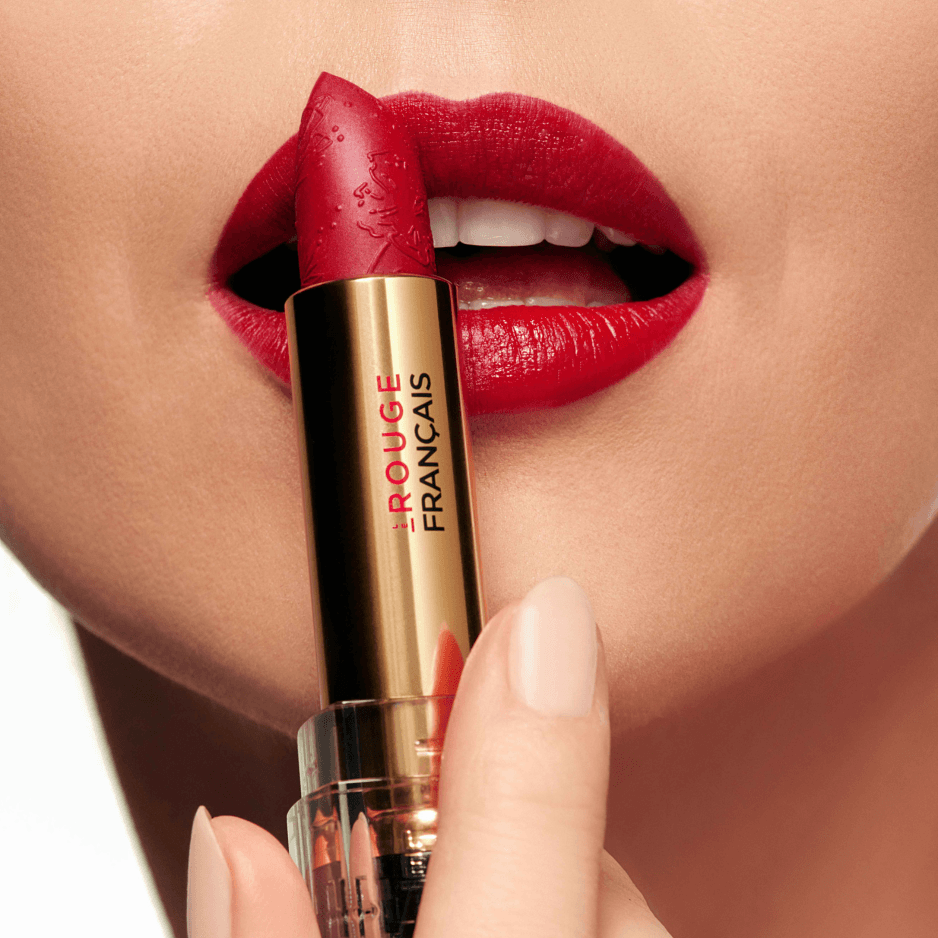
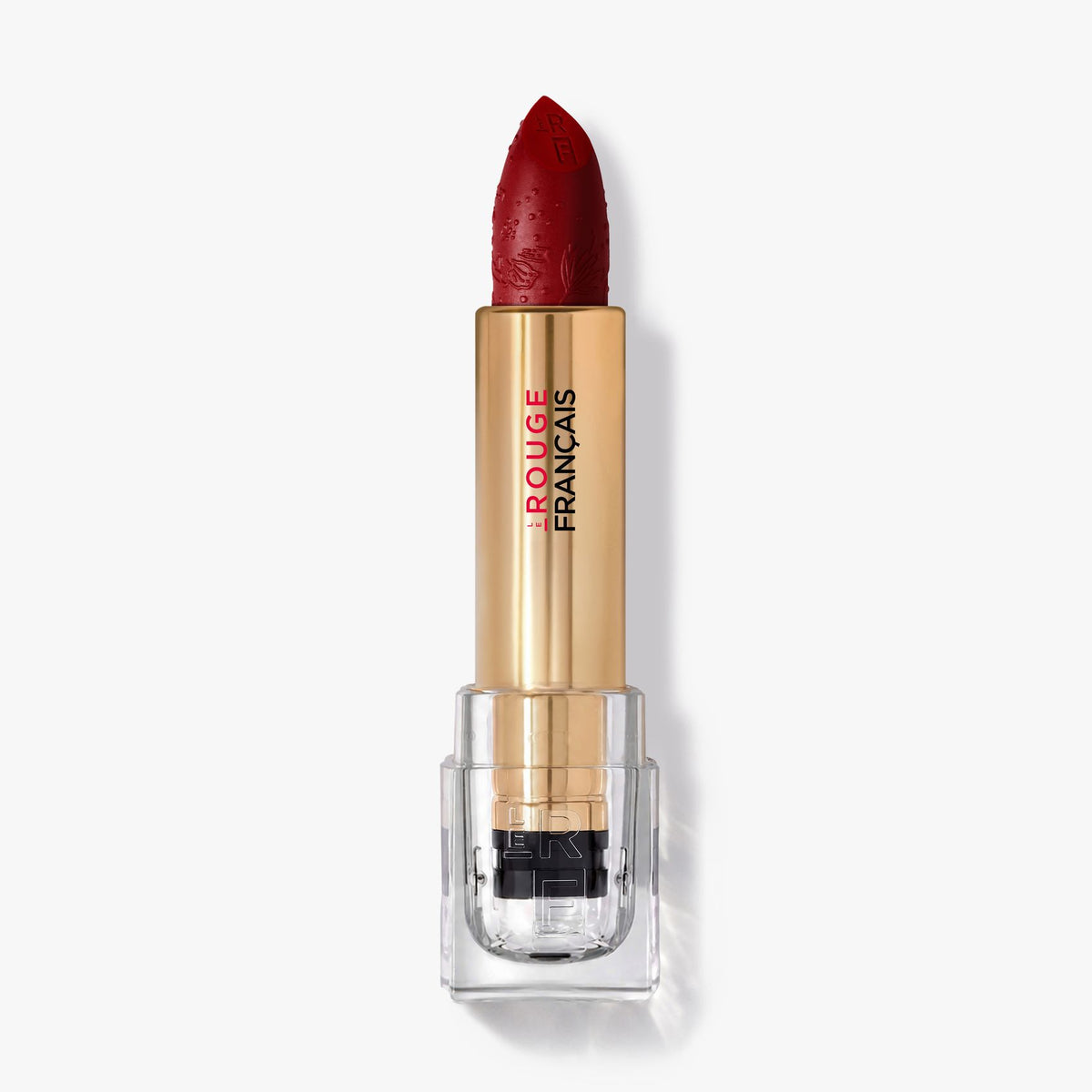
This lipstick case is a concentrate of technology and design, entirely made of plant-based materials. Designed to be kept for life, it is also intended to be biodegradable.
Glassware and plant material. Precious materials for total recycling
Our natural and vegan formulas are composed of 95% plant-based ingredients
Our natural and vegan cosmetics house has obtained BIO certification from ECOCERT. This certification is an additional guarantee that we only produce products made from recyclable materials. Furthermore, it means that we develop formulas that meet a strict criterion for natural components in our ingredients. Indeed, our natural and vegan formulas are composed of 95% natural ingredients. This is significant, as Le Rouge Français is committed to offering its customers "clean" cosmetics, both in terms of composition to preserve consumer health and to protect the environment.
The ECOCERT certification also guarantees that all subcontractors with whom Le Rouge Français works are also required to comply with very strict specifications that encourage and promote the best environmental and social practices at all levels of production.
Fully recyclable products
Product recycling is an essential aspect of their design. Le Rouge Français only produces organic and recyclable products according to extremely strict production criteria. Working with two labels ensuring the absolute quality of its products, Le Rouge Français invests time, expertise, and meticulousness to produce organic, vegan, and natural cosmetics that are respectful of the environment and the health of its clientele.
To complement our product ranges, we create cardboard cases and vegan makeup pencils made from fibers from trees sourced from eco-managed forests. One of the dramatic consequences of the cosmetic industry is deforestation. Most makeup pencils, which represent a flagship product in cosmetic ranges in general, are usually made with wood and plant fibers from forests. The overproduction of these trees leads to a certain impoverishment of biodiversity, both due to the homogenization of planted species and the subsequent deforestation.
Eco-managed forests, on the other hand, imply a balanced management between planting and diversity of plant species to promote the symbiotic systems of natural ecosystems. Furthermore, eco-managed forests also imply a healthy environment for producers and people working on the ground. By working with FSC labels, it is possible to guarantee these good production practices to ensure the consumption of a product that perfectly fits into the Clean Beauty movement.
Read more

Today, we are seeing a real proliferation of new makeup formulas that are defined as organic makeup, natural makeup, or even vegan makeup. These different makeup formulas lead to profound differenc...

The effortless chic of Inès de la Fressange, the independence and boldness of Coco Chanel, the freedom and positive sensuality of Brigitte Bardot, the androgynous simplicity of Jane Birkin... all t...